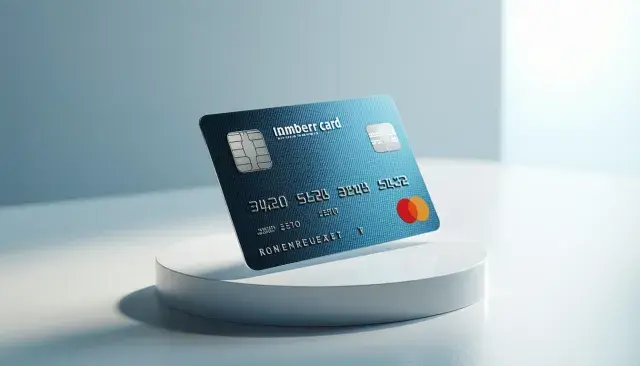
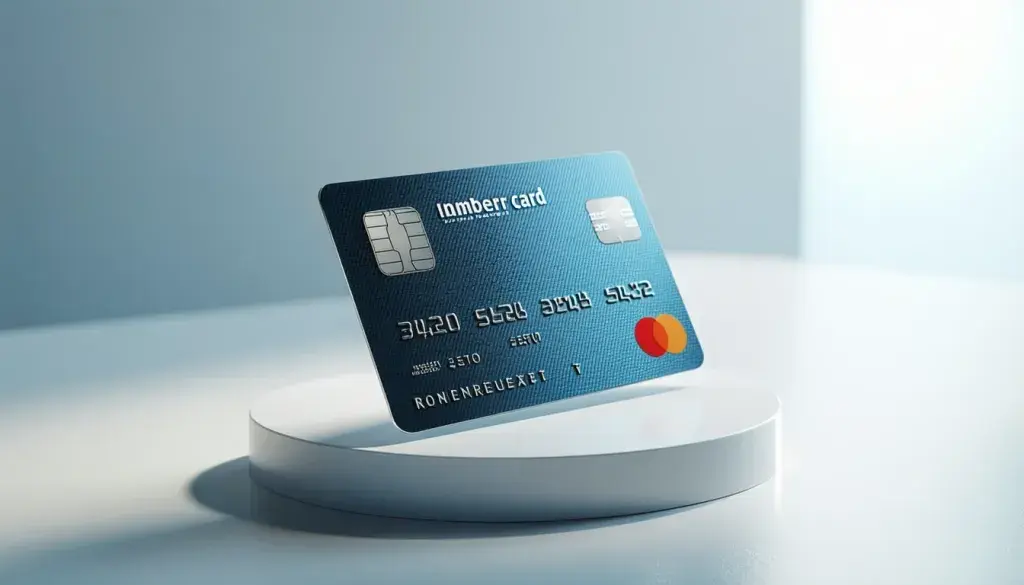
The six digits at the front of every payment card encode its origin, routing billions of transactions annually through a precise system. This Issuer Identification Number (IIN) identifies the issuing bank or institution, card brand, and product type before any details like account number come into play. What is IIN? It forms the backbone of card payment infrastructure, enabling swift authorizations and risk checks.
The IIN number means more than mere labeling; it dictates network paths, fee structures, and security protocols. A card beginning with 3 might trace to American Express, while 4 points to Visa issuers. Understanding IIN meaning reveals why transactions succeed or fail seamlessly across processors. In contrast to the ACH bank code—a nine-digit routing number for U.S. electronic funds transfers—the IIN specializes in card ecosystems.
Financial professionals, merchants, and developers rely on IIN knowledge to integrate gateways, detect anomalies, and comply with standards. This article dissects its components, from the major industry identifier to operational roles, historical shifts, and everyday uses. Readers gain tools to interpret card prefixes, compare with banking codes like ACH, and apply insights in real scenarios, cutting through complexity in payments.
Defining the Issuer Identification Number
The issuer identification number anchors payment card identification globally.
What is IIN?
What is IIN? The term denotes the prefix of a card's Primary Account Number (PAN), assigned to financial entities issuing cards. It conveys issuer details to networks like Visa or Mastercard during processing. Every IIN links to a specific range managed under international standards.
IIN Number Means in Context
IIN number means the gateway to transaction validation. Processors parse it to forward requests to the correct issuer for approval or decline. This step prevents mismatches, ensuring funds move accurately.
IIN vs. Other Identifiers
Unlike account numbers, which hold personal data, IIN focuses solely on issuer traits. It precedes the account identifier and precedes the check digit in the full PAN.
The Structure of an IIN
IIN anatomy follows a fixed pattern for universal recognition.
Major Industry Identifier
The first digit, known as the major industry identifier (MII), categorizes the issuer:
- 1, 8: Airlines
- 2: Airlines and financial
- 3: Travel/entertainment
- 4, 5: Banking/financial
- 6: Merchandising/banking
- 7: Petroleum
- 9: Government/telecom
This MII sets the sector context immediately.
Issuer-Specific Digits
Digits 2 through 6 form the issuer identifier, pinpointing the exact bank or entity within the MII group. Ranges allocate uniquely, like 414720 for certain Visa issuers.
Length and Expansion
Standard IIN spans six digits, though ISO permits eight for growing demand. The seventh and eighth provide finer granularity.
Role of IIN in Payment Processing
IIN drives the mechanics of every card transaction.
Transaction Routing
Acquirers extract the IIN to route authorizations to the issuer's host. Networks use it to apply rules on limits, regions, and types.
Comparison to ACH Bank Code
ACH bank code, or routing number, facilitates direct deposits and bill pays via NACHA networks. IIN handles card swipes and e-commerce; both identify endpoints but serve distinct channels.
Fraud and Risk Assessment
Bin lookup tools analyze IIN for country mismatch, velocity checks, and blacklists, bolstering security layers.
Assignment and Standards for IIN
Governance ensures IIN uniqueness and reliability.
ISO 7812 Framework
ISO/IEC 7812 defines IIN rules, replacing the older BIN concept to include non-banks. It mandates registration for interoperability.
Registration Process
Issuers apply through national registrars like the American Bankers Association (ABA), which forwards to ISO. New ranges issue after validation.
Management Updates
Periodic reviews accommodate expansion, with ranges reclaimed if unused.
Practical Applications of IIN
IIN delivers actionable value across industries.
Merchant and Gateway Integration
Payment platforms query IIN databases to set fees, support 3D Secure, or block high-risk ranges.
Fraud Prevention Strategies
Real-time IIN checks flag suspicious patterns, like a U.S. merchant seeing an offshore issuer.
Compliance and Reporting
Regulators reference IIN for transaction monitoring under PCI DSS and anti-money laundering rules.
What is the difference between IIN and BIN?
BIN originated as Bank Identification Number but evolved into IIN under ISO 7812 to cover all issuers, including non-banks. Functionally identical, IIN is the modern, precise term used in standards.
How do I find the IIN on my card?
Look at the first six digits printed or embossed on the card. Online validators confirm issuer details without full PAN exposure.
Who manages IIN assignments globally?
ISO serves as the central authority, delegating to regional bodies like the U.S. ABA for range allocation and maintenance.
Is IIN used only for credit cards?
No, it applies to debit, prepaid, and commercial cards across payment schemes worldwide.
How does IIN relate to ACH bank codes?
IIN identifies card issuers for purchase transactions; ACH bank codes (routing numbers) route electronic transfers between bank accounts.
Can IIN ranges change over time?
Yes, issuers request new ranges or expansions via ISO, with updates published in registries for processors to implement.